
Data steward
A model cannot fix a table you have not looked at.
What you cover
- You prepare Python, the rows, and a picture of what the data actually contains.
- Instructor-led labs, then a capstone the team can run.
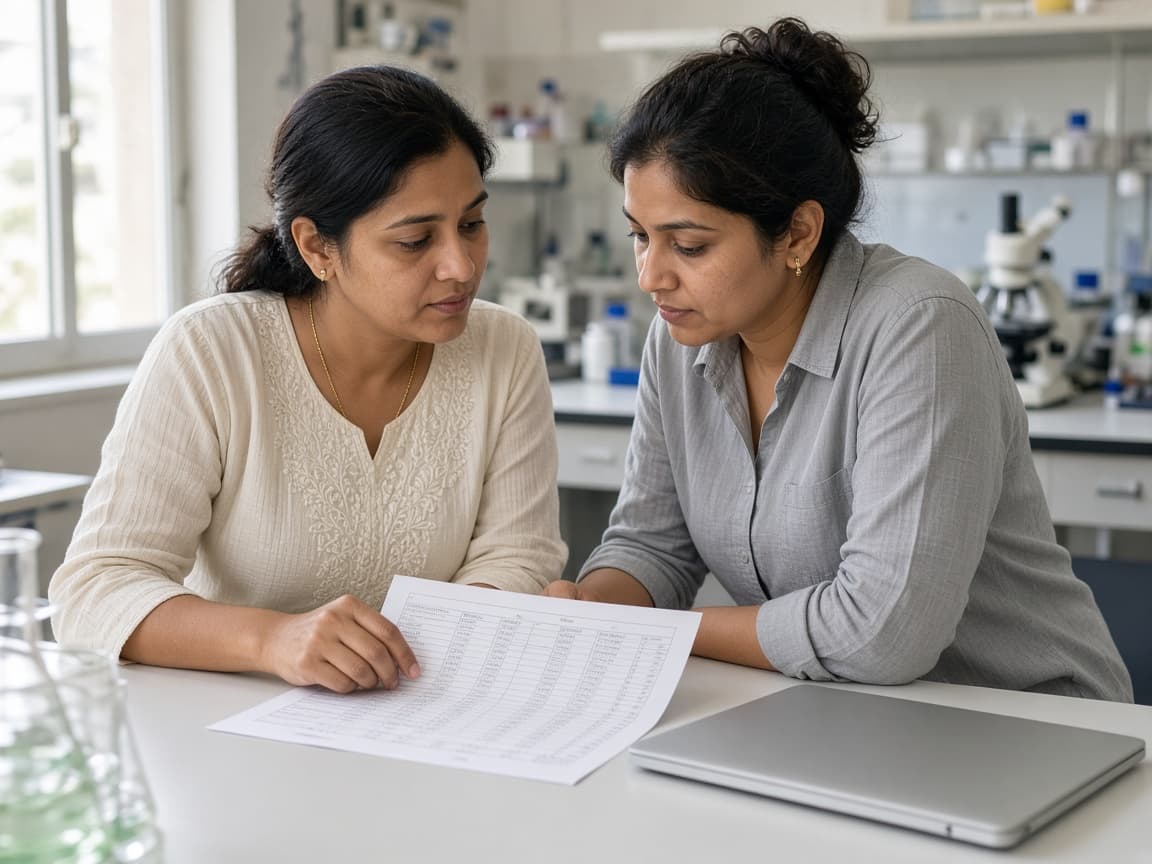
Learn from data, then put a model inside an application you can explain. 12 weeks at the Madhapur desk. You leave the data, the evaluation, and the model.
12 weeks · Madhapur desk
From Python and the dataset through a model in an application.
Statistics, features, and an evaluation you can show before you ship.
Classes at Road No. 45, or hybrid if you cannot sit in.

The path
Machine learning with AI starts with the data you were given. You clean it, choose a model, and write down what the evaluation says. The last weeks put that model in a small application and say where it should not be used.
Walk through the 12-week machine learning path with the Madhapur desk.
Talk to the desk
Guides practical QA workflows, automation foundations, and career-ready project reviews.Chandra Hasa Gunisetty, QA Lead
Who it is for
A model cannot fix a table you have not looked at.
What you cover
In the lab
See the data, train one model, then say what the evaluation does and does not allow.
Open the table, the missing values, and the picture before you pick a model.
Regression or classification, with the features you can defend.
The score, the errors, and the slice where the model fails.
A small application and a note another person can follow.
Skills you practice
Roadmap
Hybrid · online or at the desk · data, models, evaluation, then an application.
Weeks 1–3
The language you will use to load a table and repeat a check.
Rows, missing values, and the columns a model is allowed to see.
Charts and a short statistical read before any model.
Weeks 4–7
Predict a number and say how far the misses are.
Predict a label and look at the cases you got wrong.
A small network when the table is no longer enough, still with an evaluation.
Weeks 8–9
More than one model, on the same split, with the same metric.
Where the model fails, and what you will not let it decide.
Weeks 10–12
A small application that calls the model you kept.
The data, the model, the evaluation, and how to run it again.

Data
The lab is ready when you can point at a column and say whether the model may see it.
Models
You do not keep the first model that runs. You keep the one you can explain.

Application
The note says the input, the prediction, and where the model should not be used.
Capstone
In class
The weeks are instructor-led. You work in the lab, online or at the desk.
Capstone
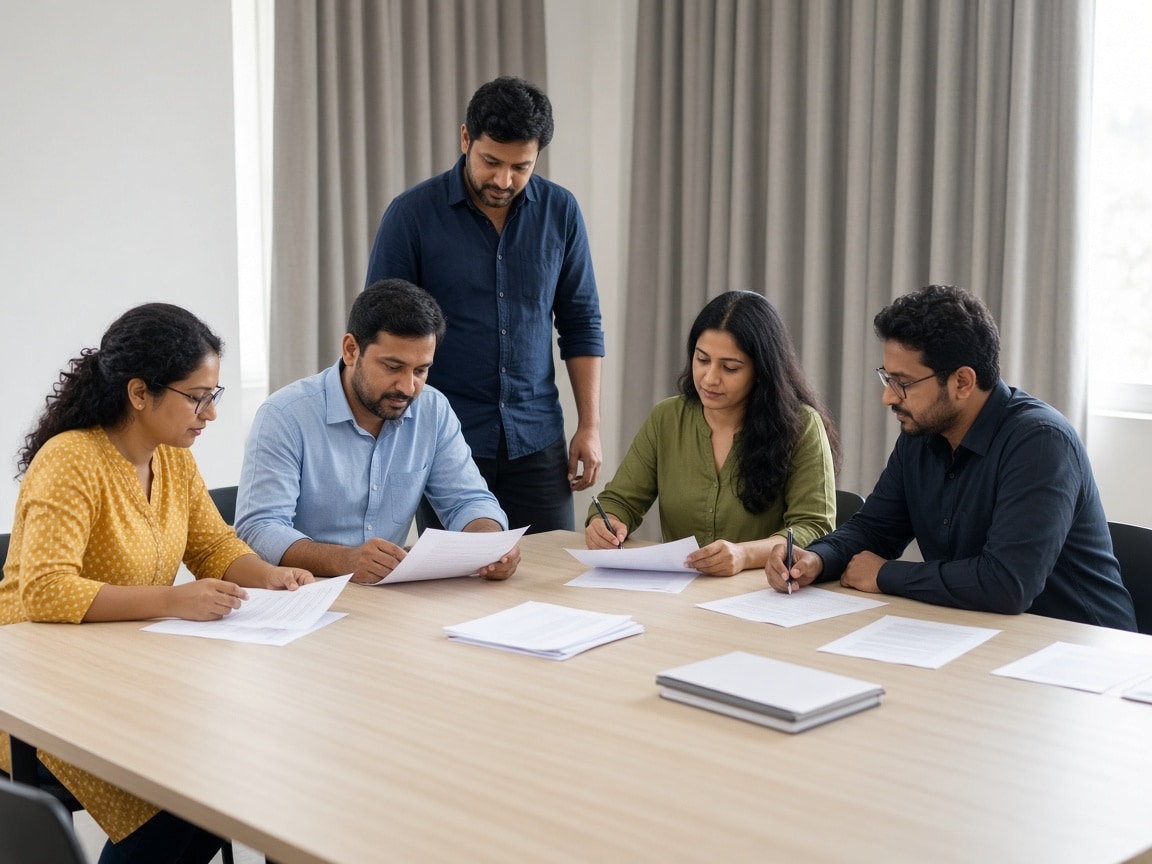
The capstone starts with a dataset and ends with a model inside a small application.
You show the data, the evaluation, the misses, and how another person runs it.
How the weeks run

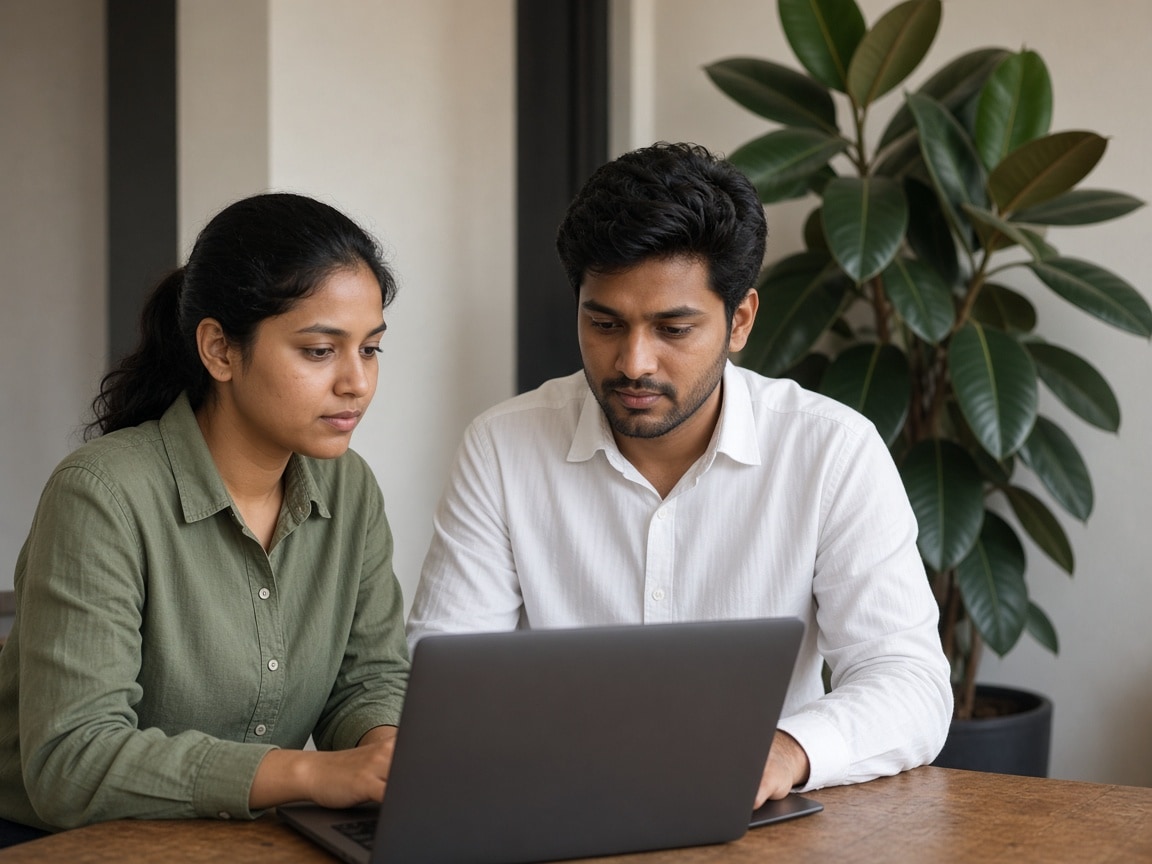
The first weeks are Python, the rows, and a picture of the data. You do not train until that is familiar.
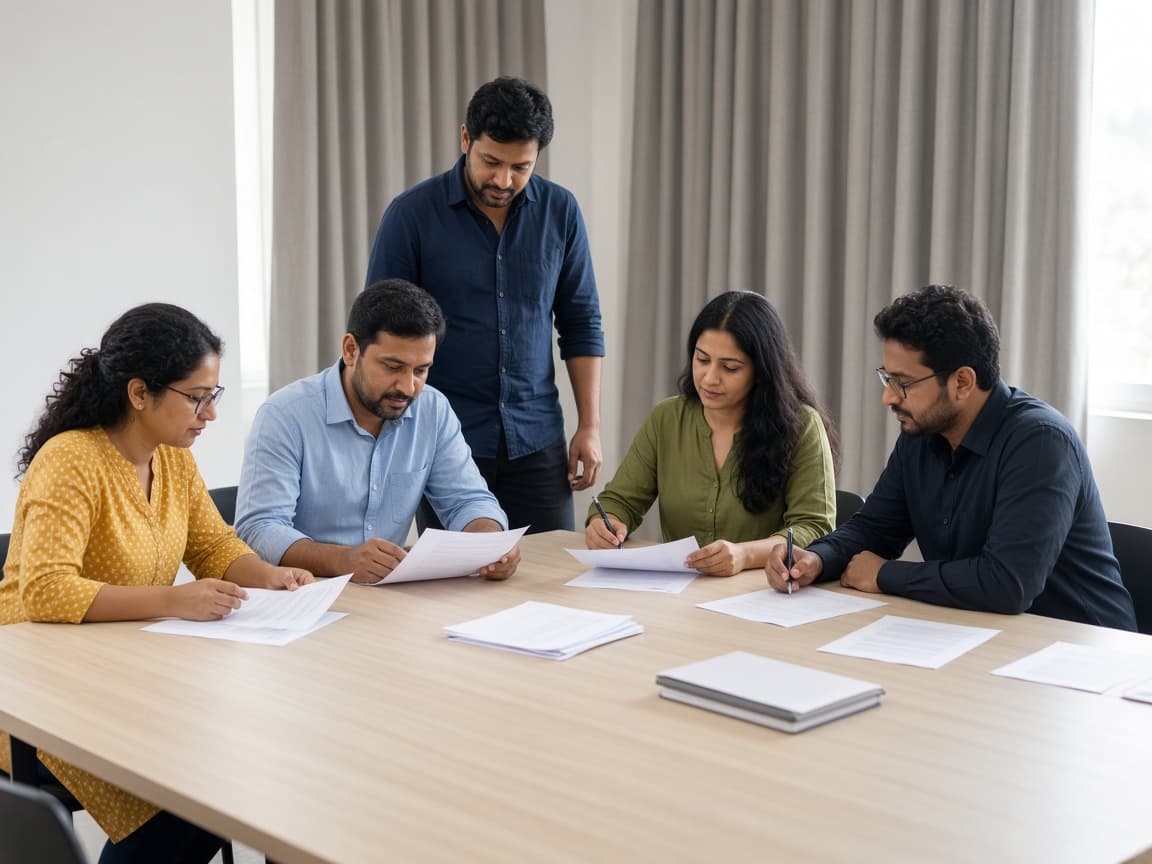
Regression, classification, and a small neural net stay on the same evaluation.
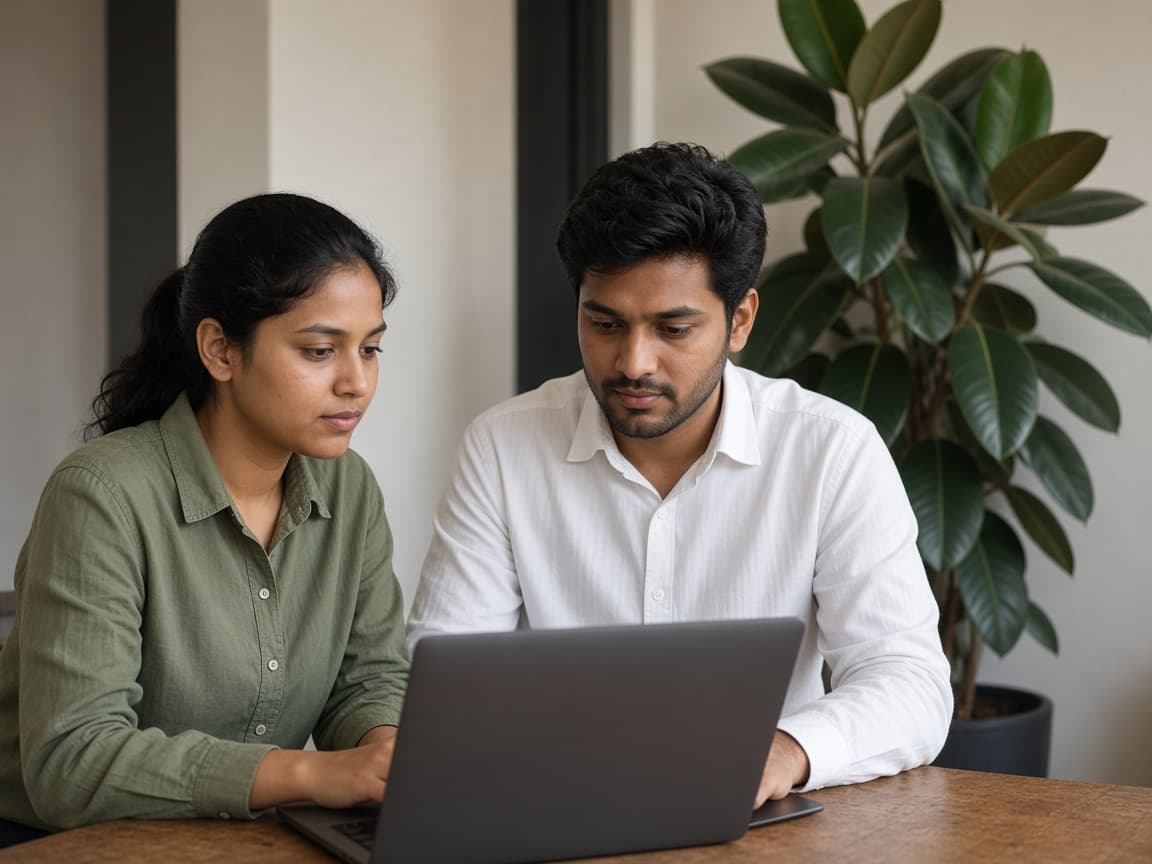
The last weeks put the model in a small application and say where it stops.
Certificate
Syncpedia issues a certificate of completion after the 12 weeks and the capstone. It names the program. It does not list a salary, a placement rate, or a job offer.
From the desk
A full July 2026 India tech hiring briefing for students: role demand, interview formats, AI screens, city vs remote pay, and a week-by-week application system that actually converts.

A deep student playbook for open-source AI in 2026: which model families to follow, how to run local demos, eval basics, licensing gotchas, and a project ladder from first chat UI to internship-ready portfolio.

A comprehensive 2026 AI skills roadmap for Indian students: foundations, applied stacks, evaluation, portfolio projects, interview rubrics, and a semester plan beyond ChatGPT prompts.
Place
Classes are at the studio on Road No. 45. Hybrid if you cannot be in the room. You still do the labs and the run note.
Tell the Madhapur desk whether you are starting from Python or you already work with tables.
Frequently asked questions
12 weeks, at the Madhapur desk or hybrid.
Python and the data, then regression, classification, and a small neural net, then an evaluation and a model in a small application.
Still deciding on the batch?
Talk to the desk12 weeks from the table to a run note. Ask the desk before you join.